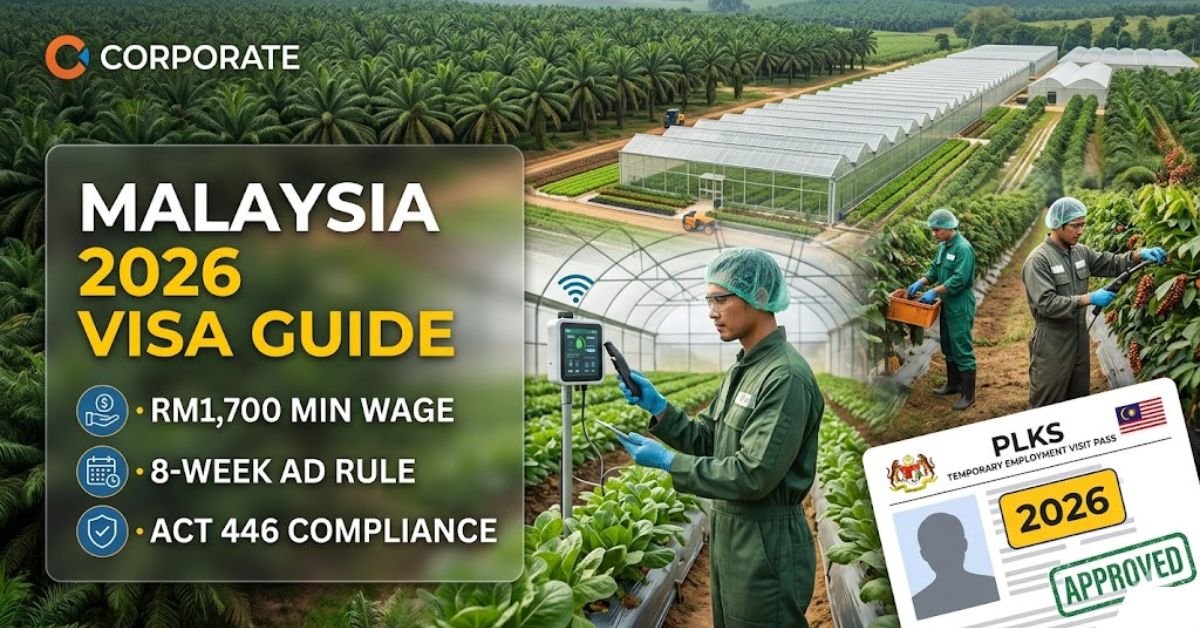
Agriculture and Plantation Jobs in Malaysia: The Complete 2026 Visa Guide
If you’re hunting for a career move that actually has some legs in today’s messy economy, Malaysia’s agricultural sector is one of the few resilient powerhouses left standing in Southeast Asia. Let’s be honest: between the global obsession with sustainable palm oil and the high stakes Musang King durian craze, Agriculture and Plantation Jobs in Malaysia have become a massive magnet for workers in 2026. But here’s the cold, hard truth: the old way of getting a permit is officially dead. The 2026 landscape has pivoted, making the legal path way more precise and frankly, a lot more demanding than it was even a few months ago.
Decoding the Malaysia PLKS 2026 (Temporary Employment Visit Pass) rules right now feels less like paperwork and more like hacking through a literal jungle. You’re forced to navigate a Special Quota Window that slams shut in just a few months, a significant jump in the national minimum wage to RM1,700, and housing laws that are finally being enforced with real teeth. You simply cannot afford to wing it anymore. In today’s climate, staying 100% compliant isn’t just a suggestion; it’s your only shield against a legal nightmare that ends in deportation or heavy fines. Think of this guide as your on the ground roadmap, a raw, practical look at how to lock in your visa without getting your rights trampled in the process.
2026 Core Updates: What You Need to Know
As we move deeper into 2026, the Malaysian Ministry of Home Affairs (KDN) and the Ministry of Human Resources (MOHR) have seriously tightened the screws. Their current strategy is a bit of a double edged sword: They want faster recruitment cycles, but they’ve paired it with an aggressive focus on worker welfare. In short, they want the talent in quickly, but they aren’t playing around with compliance anymore. If your paperwork isn’t perfect, you’re out.
The Special Window & The Deadline Twist
The biggest curveball for employers this year was the Special Foreign Worker Quota Application Window. Initially, it was a narrow door set to slam shut on March 31, 2026
- The Late-Breaking Change: In a surprise move in March 2026, the government actually revoked the March 31 deadline. Applications are now being processed on a case by case basis through the One-Stop Centre (OSC).
- The Catch: Don’t let the lack of a deadline fool you. Approvals are anything but automatic. They are now tied directly to your compliance score and how well you justify the need for foreign hands.
- Worker Tip: Before you sign anything, double check that your prospective employer has an active, approved quota for 2026. Waiting for a quota is a massive red flag that could leave you stranded for months.
Key Regulatory Shifts: The New Playbook
The bureaucracy has gone fully digital and much more strict. Here are the three pillars you need to watch:
- MOHR Section 60K Digital Pass: Gone are the days of informal hiring. Before a single contract is even drafted, employers must get a digital green light under Section 60K of the Employment Act. This is now handled entirely through the upgraded ePPAx System Malaysia. If you don’t have this, you can’t even start the visa process.
- The 14 Day Local First Mandate: While it used to be longer, the 2026 rule requires companies to advertise vacancies on the MYFutureJobs portal for a minimum of 14 consecutive days. Employers must prove with actual interview logs that no Malaysian was fit for the job before they are allowed to look internationally.
- Multi Tiered Levy (MTL) System: Malaysia has officially moved to a pay to play model. Under the MTL system, if a plantation or farm relies too heavily on foreign staff versus local workers, their Agricultural Worker Levy costs will skyrocket. It’s a deliberate move to push companies toward automation or hiring local youth.
Money Matters: RM1,700 Wage and Your Take Home Pay
The financial side of plantation work has changed to keep up with the cost of living. As of 2026, the Malaysia Minimum Wage is RM1,700. This isn’t just for city jobs; it’s the law for every palm oil estate and fruit farm across the country.
2026 Financial Breakdown for Workers
| Item | Monthly Rate (RM) | What You Should Know |
| Basic Salary | RM1,700 | This is your floor; allowances should be extra. |
| Housing Deduction | RM150 | This is the maximum cap allowed as of March 2026. |
| SOCSO Protection | Employer Paid | Socso Foreign Worker Coverage is a non negotiable right. |
| EIS Contribution | 0.2% | A small safety net for employment insurance. |
Quick Tip: If you’re stepping into a high level role like an Estate Manager (NOC 60030), don’t settle for a PLKS. If your salary is over RM5,000, you likely qualify for an Expatriate Employment Pass, which offers much better benefits.
The Malaysia PLKS 2026: The Step-by-Step Grind
The Plantation Work Permit (PLKS) is your golden ticket. Here is how the legal process actually flows in 2026:
- VDR Application 2026: Once the employer has their quota, they apply for your Visa with Reference (VDR). Do not fly to Malaysia without this document in your hand.
- The FOMEMA Hurdle: Within 30 days of landing, you’ll hit the clinic. FOMEMA medical screening in 2026 is much stricter, especially regarding respiratory health and communicable diseases.
- Sticker Issuance: Once you clear medicals, the Immigration Department sticks the ePLKS in your passport.
- Renewal Rules: These permits only last 12 months. Ensure your boss starts the PLKS Renewal Guide steps at least 3 months before your current pass dies.
Living Conditions: No More Substandard Housing
In 2026, the government is cracking down on Act 446. This is the Employees’ Minimum Standards of Housing Act.
- Estate Life: If you’re on a large plantation (20+ hectares), you are entitled to onsite housing that isn’t just four walls. It needs proper ventilation and dedicated space.
- The Rental Cap: Your boss cannot charge you whatever they want. The Act 446 Housing Standards cap the deduction at RM150 per month. If they take more, they are breaking the law.
Where the Best Jobs Are: 2026 Trends
While Palm Oil Industry Recruitment is the old reliable, the smart money is moving elsewhere:
- Durian Estate Management: High end Musang King farms are desperate for people who understand grafting and modern irrigation.
- High Tech Greenhouses: Large scale vegetable factories are hiring technicians to manage IoT sensors and smart farming technology.
Malaysia Plantation Jobs 2026: Your Burning Questions Answered
Let’s drop the sugar coating and talk about the actual rules you’ll face once you’re on the ground. Immigration and labor laws in Malaysia don’t always play nice, so here is the no nonsense Q&A for 2026.
Q: If my current boss is a nightmare, can I just switch to a different farm?
A: To be blunt No. Your Agriculture Sector Visa isn’t a free pass to work anywhere you like. In the eyes of the law, your permit is tethered specifically to the employer who sponsored your 2026 quota. If you walk away from your current job, you can’t just start at the plantation next door. Usually, it means your permit is cancelled, you fly back home, and you start the whole VDR process from zero. It’s a tough reality, but that is how the system is locked down right now.
Q: Is there an age limit that actually matters for approval?
A: Yes, and it’s non-negotiable. If you are applying for your very first Plantation Work Permit, you must be between 18 and 45 years old. Why? Because the work is physically draining and the 2026 health audits are intense. However, if you are already in Malaysia and just renewing your PLKS, you can often keep working until 55. Just a heads up: the FOMEMA medical screening has become way stricter this year. If your health isn’t 100%, they won’t renew that sticker.
Q: Who is actually responsible for my medical bills if I get sick?
A: That’s on your employer. Under current Malaysian law, every foreign worker in the fields must be covered by SPIKPA (Hospitalization Insurance) and the Foreign Workers Compensation Scheme (FWCS). If you end up in a ward or get injured on duty, the company picks up the tab, not your salary.
Expert Tip: Don’t take their word for it. The moment you arrive, demand a physical copy of your insurance card. If they stall, it’s a major red flag regarding their 2026 compliance.
Final Thoughts
The Agriculture and Plantation Jobs in Malaysia 2026 market is ripe with opportunity, but only if you play by the book. By making sure your employer uses the ePPAx system and respects the RM1,700 minimum wage, you’re setting yourself up for a solid, legal future.
Disclaimer:
Just a fair warning, the tips and 2026 updates regarding Malaysia’s agricultural visas on this page are for general guidance only. This isn’t professional legal advice or a certified immigration consultation. Since Malaysian KDN and MOHR regulations are notorious for changing overnight, we urge you to verify everything through official government channels or a licensed pro. Please note that we aren’t liable for any visa rejections, financial setbacks, or contract issues that might crop up so definitely do your own due diligence before making a move.